 Skip to content
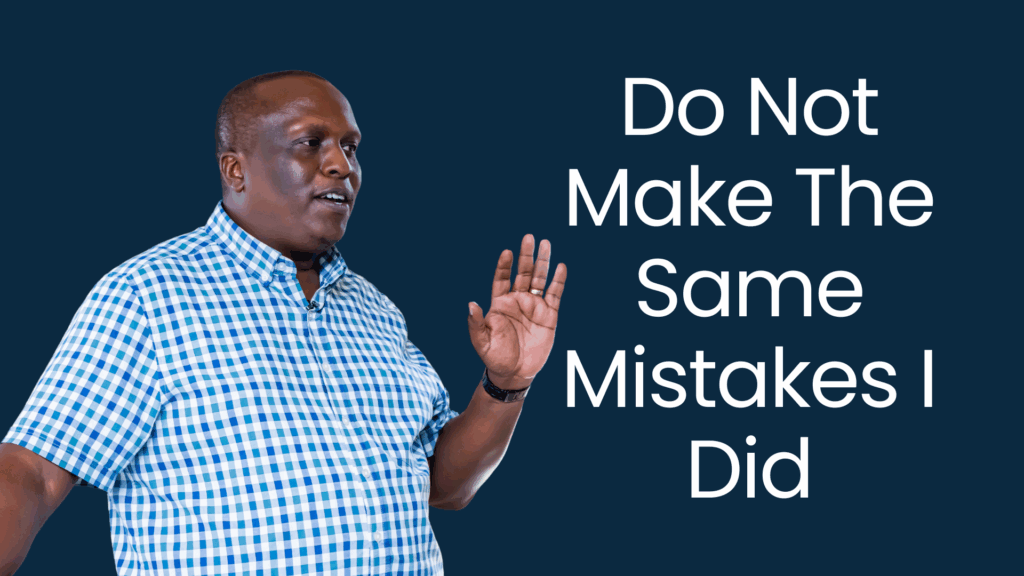
Over the years, I’ve secured over USD 100 million in grant funds for various programs.
I share this not to impress you—but to impress upon you that with the right training, mentorship, and consistent practice, you too can achieve remarkable grant fundraising success.
This success did not come naturally.
When I started, I did not win grants. I faced rejection after rejection.
My Early Mistakes in Grant Fundraising
Here are just a few of the mistakes I made in my early career:
- 😔 I failed to research funders thoroughly
- 😔 My budgets didn’t align with technical proposals
- 😔 I submitted proposals with typos and formatting issues
- 😔 I used overly complex and unclear language
- 😔 I thought poetic writing would win grants
- 😔 I worked alone instead of building a team
- 😔 I ignored specific funder guidelines
Looking back, many of my early proposals were—frankly—poorly written and unfocused.
What Changed?
The turning point was expert training and coaching.
A mentor helped me identify what I was doing wrong and guided me through strategies to make my applications stand out.
That’s when things started to change—and grants started to come in.
Common Pitfalls That Undermine Your Grant Applications
Even experienced grant writers fall into traps that weaken proposals.
Here are some of the top reasons funders reject applications:
- Failure to clearly align proposed activities with identified needs and evidence-based practices
- Lack of specific, measurable, achievable, relevant, and time-bound (SMART) objectives and outcomes
- Absence of a detailed and feasible implementation plan
- Weak sustainability plans
- Failing to engage relevant stakeholders or demonstrate strong partnerships
- Vague or poorly defined goals can make reviewers question the proposal’s focus and potential impact
- Proposing overly ambitious goals within tight timeframes or insufficient funds can raise doubts about feasibility
- Failing to demonstrate a clear understanding of the problem and its context may suggest inadequate preparation
👉 Don’t let these easily preventable mistakes cost you the funding your programs deserve.
5 Mindsets That Sabotage Grant Fundraising Success
To write winning grant applications, you don’t just need technical skill—you need the right mindset.
1. The Lone Ranger: “I Can Do It Alone”
One of the biggest myths in grant fundraising is the belief that it’s a solo mission. This mindset can be damaging as successful grant applications often require a diverse team for brainstorming, writing, reviewing, and providing feedback.
To break free from this mindset, build a strong “A-team” for your grants. A team approach not only strengthens your proposals but also allows for more creativity and resilience.
Actionable Tip: Identify team members with complementary skills—research, writing, project planning—and establish regular check-ins to keep everyone aligned.
2. The Poet: “Our Proposal Needs to Be Flowery”
Many believe that using elaborate language will make proposals more appealing. However, funders prefer clarity and precision over poetic descriptions. Funders need to understand exactly what your organization does and how the grant will create impact. Overly complex language can muddy your message and decrease your proposal’s effectiveness.
Actionable Tip: Focus on clear, straightforward language that communicates your mission, objectives, and outcomes directly. Think clarity over creativity.
3. The Glittering Carrot: “Our Cause Alone Will Win the Grant”
While having a meaningful mission is important, it’s not always enough to secure funding. Funders are looking for well-rounded proposals with measurable impact, sustainable outcomes, and solid implementation plans. Simply having a great cause without strategic planning and evidence to back it up may not suffice.
Actionable Tip: Pair your cause with clear, data-driven evidence of your impact. Outline your project’s sustainability and explain how the funding will lead to long-term success.
4. The Manipulative Convincer: “How Do I Convince Funders?”
Grant fundraising isn’t about convincing funders; it’s about building trust and alignment. Funders want to partner with organizations that demonstrate credibility, transparency, and a genuine commitment to their mission. Approaching funders with a persuasive or sales-focused mindset can often lead to unrealistic promises or strained relationships.
Actionable Tip: Shift your approach to emphasize alignment over persuasion. Show how your values and goals match the funder’s mission, and be transparent about your organization’s strengths and challenges.
5. The Wonderful Child: “Limiting Beliefs from Childhood”
Surprisingly, personal mindsets or beliefs formed early in life can impact professional confidence. Some fundraisers struggle with self-worth issues, feeling hesitant to ask for support. This mindset can lead to missed opportunities or reluctance to reach out to funders proactively.
Actionable Tip: Reflect on any limiting beliefs that might be affecting your fundraising approach. Work on building confidence in the value your organization provides and seek support from mentors or peers to overcome self-doubt.
Conclusion: Align Mindset with Strategy for Grant Success
Winning grants requires more than writing skill—it demands strategic thinking and mindset alignment.
By avoiding common mistakes, strengthening your team, and shifting how you approach fundraising, you can write compelling proposals that stand out to funders.
Elevate your Grant Fundraising with Bell Consultants.
Check out our premium training programs to gain the actionable strategies your nonprofit needs to secure funding.
Our expert-led courses and specialized coaching will give you the skills to craft compelling proposals, build lasting donor relationships, and stand out in competitive funding opportunities.
