 Skip to content
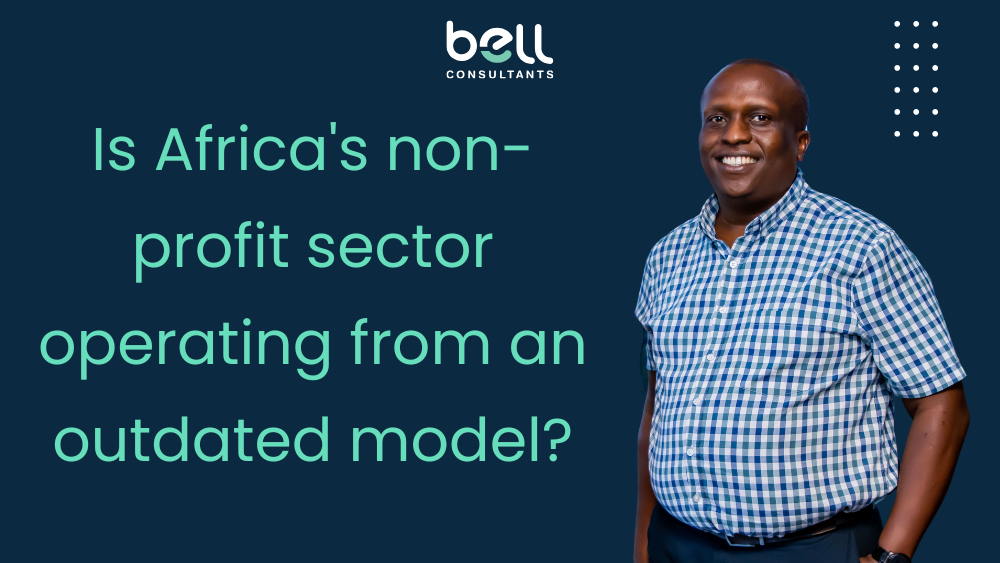
The African non-profit landscape has shifted dramatically over decades.
The historical context
Many African countries gained independence in the 1960s-1980s. By the 1990s, they were already 20-30 years post-independence. The non-profit sector expanded significantly during this period. The HIV/AIDS epidemic in the 2000s further accelerated this growth.
Post-independence governments faced capacity constraints. Many countries were recovering from or experiencing conflict. International NGOs filled critical gaps in service delivery. Grassroots organizations provided essential community connections.
The current reality
Today, 50-70 years post-independence, many African governments are asserting greater control over development. Government-to-government partnerships are increasingly prioritized. International NGOs are scaling back operations. Local organizations are struggling with reduced funding and uncertain futures.
A fundamental question
Have we forgotten the core purpose of civil society organizations?
NGOs weren’t designed to be large-scale service delivery mechanisms. That’s the government’s role. Civil society should focus on:
- Developing innovative solutions to social problems
- Advocating for transformative policies
- Generating evidence for change
- Amplifying marginalized voices
- Holding power accountable
The opportunity ahead
As African governments reclaim the development space, civil society can return to its advocacy and innovation roots. This transition, though challenging, could strengthen both sectors.
What’s your perspective on this evolution? How should civil society organizations adapt to this changing landscape? Comment below.
Elevate your Grant Fundraising with Bell Consultants.
Check out our premium training programs to gain the actionable strategies your nonprofit needs to secure funding.
Our expert-led courses and specialized coaching will give you the skills to craft compelling proposals, build lasting donor relationships, and stand out in competitive funding opportunities.
